This is a demo store for testing purposes — no orders shall be fulfilled. Dismiss
Skip to content
Our story begins with two childhood friends who shared a passion for Norwegian seafood. Through frequent trips to the East to promote Norwegian seafood at major trade fairs, we discovered a new and exciting snack – fish chips. The fantastic taste and the lack of a similar product in Norway and the Nordic countries caught our interest. Along the way, we were lucky enough to bring in a talented employee, who later became a partner, from Fredrikstad. This was the start of our journey with Fiskegull AS.
We started with in-depth research to understand the market. Here are some interesting findings from Statistics Norway:
Furthermore, we found that most of the salmon skin produced in Norway is used for animal feed. We saw an opportunity to utilize this resource in a sustainable and tasty way.
Nutritional Benefits of Salmon Skin
Salmon skin is a nutritional bomb, rich in:
These nutrients:
Knowing that the salmon we eat is farmed ethically, cleanly, traceably and sustainably, it is important to use as many parts of the fish as possible. Properly processed, salmon skin is a delicacy that we believe surpasses potato snacks.
Hassan Rana, Foundations
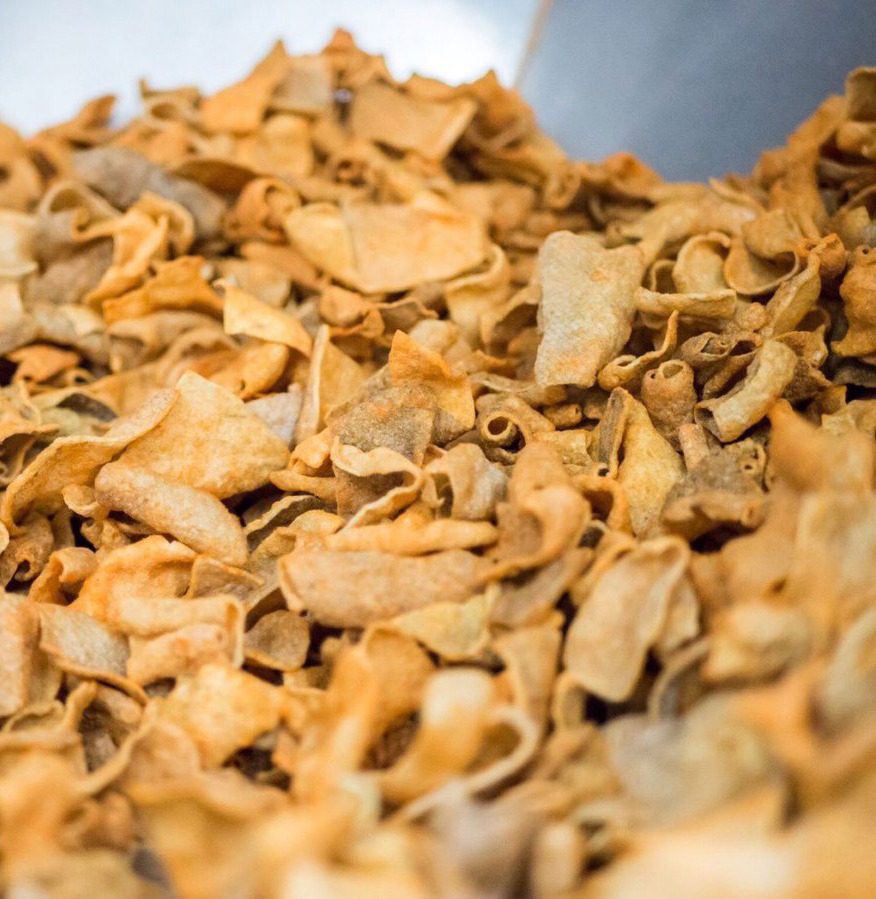
Salmon skin is rich in protein, vitamins B and D, minerals like niacin and phosphorus, and most importantly, it contains the highest amount of omega-3 fatty acids. All of these ingredients stimulate the brain, support the heart, and protect the nervous system.
Knowing that the salmon we eat is ethically, cleanly, traceably and sustainably farmed, we should try to use as many parts of the fish as possible. Cooked properly, salmon skin is a nutritional powerhouse, a delicacy that, in our opinion, is much better than potato chips.

3 inland is a dietary symbol and a reminder to eat seafood more often. The symbol was launched in 2018 in line with the authorities' official dietary advice to eat seafood at least 2-3 times a week. Seafood is easy to use as the main ingredient in a dinner, as a spread, as a trip food or as Fiskegull's product; as a snack.
Norway has been a maritime nation for centuries. Yet we should be making more of what we harvest from the sea. When it comes to eating fish, many people tend to overlook one of the most nutritious parts of the fish, namely the fish skin.
Eating fish skin has become increasingly popular in recent years as the skin is one of the most nutritious parts of the fish. Fish skin is a protein-rich alternative as a snack product. Fish skin also has a high collagen content, which makes up about 30% of the dry weight of the fish skin. Not least, we have found the taste.
Yes, collagen protein makes up up to 30% of the dry weight of salmon skin.
The marine omega-3 fatty acids DHA and EPA are important for a healthy and balanced diet. The fatty acids have shown beneficial effects on both fatty acid values in the blood, infant development, cognitive health and the immune system. The most important source of omega-3 fatty acids in the Norwegian diet is fish and seafood.
A dinner portion of farmed salmon (150 grams) will provide an average of 1.8 grams of EPA and DHA. Of this, DHA accounts for well over half.