Utilization of Fish Skin: From Waste to Healthy Snacks
Despite the ocean covering 70% of the Earth’s surface, only 2% of our food production comes from the ocean. This huge gap between the ocean’s potential and our current utilization represents a significant opportunity for improvement, especially in a time when sustainability, safety and health are high on the agenda. An exciting development in the food industry is the utilization of fish skin as a source of healthy snacks. This blog will delve deep into how the utilization of fish skin can contribute to more sustainable food production, which fish species are most suitable, how fish skin is utilized today, and why snacks made from fish skin may be a better choice than traditional potato snacks.
Fish Skin as a Resource: Utilization of Fish Skin, Opportunities and Challenges
Fish Species Suitable for Fish Skin Snacks
In Norway, we have several fish species that are ideal for the production of snacks made from fish skin. Some of the most relevant species include:
- Salmon (Salmo salar): Salmon skin is rich in fat and makes a crispy, tasty snack after drying and frying.
- Torsk (Year of the Morhua): Cod skin has a thin, crispy texture that is ideal for snacking.
- Kveite (Hippoglossus hippoglossus): Halibut skin is delicate and can produce a light, crispy snack.
- Trout (Salvelinus alpinus): The trout skin makes a nutritious snack with a satisfying texture.
- Char (Salvelinus fontinalis): Char skin makes a crispy and tasty snack that is also less fatty than salmon.
Current utilization of fish skins
Currently, fish skin is often considered waste or used in animal feed, but there is a growing focus on utilizing this by-product more efficiently. Primary uses include:
- Waste: Many fish skins are still discarded, which represents wasted potential.
- Pet food: Fish skin is used in animal feed because of its high protein content and omega-3 fatty acids.
- Collagen production: Fish skin is used to produce collagen, which has applications in health and cosmetics.
Increased Value Creation through Utilization of Fish Skin
By utilizing fish skin more efficiently, we can significantly increase value creation. Using fish skin for snacks can reduce waste while creating a new source of income. In addition, fish skin, when processed properly, can become a premium snack that appeals to health-conscious consumers. This can also lead to innovation in the food industry and create jobs in sustainable food production.
Why Fish Skin Snacks are Better Than Potato Snacks
Fish skin snacks have several advantages compared to traditional potato snacks:
- High Nutritional Value: Fish skin is rich in protein, omega-3 fatty acids, and vitamins like vitamin D. This provides a nutritional advantage compared to potato snacks that are often high in calories and fat.
- Lower Calorie Content: Depending on the preparation, fish skin snacks can be lower in calories than many potato snacks.
- Sustainability: Utilizing fish skin helps reduce food waste and increases sustainability in the seafood industry.
Flavors and Spices for Fish Skin Snacks
Fish skin snacks can be flavoured with a variety of flavours to appeal to different customer preferences. Popular flavours include:
- Spice blends: Spices such as paprika, garlic, chili and fennel give an exciting flavor.
- Citrus: Flavors like lemon, lime or orange provide freshness and balance.
- Herbs: Dill, thyme and rosemary complement the natural fish flavor.
- Ost: Flavors like parmesan or cheddar provide a richer experience.
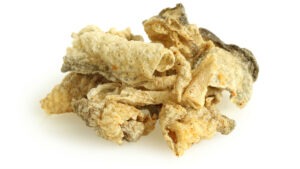
The most popular flavors seem to be egg yolk, salt and pepper, chili lime, garlic and herbs. It is important to adapt the flavors to local preferences to meet different market needs.
Fish Gold and Fish Skin Snacks
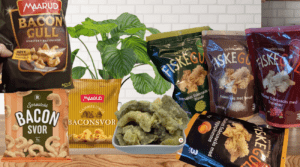
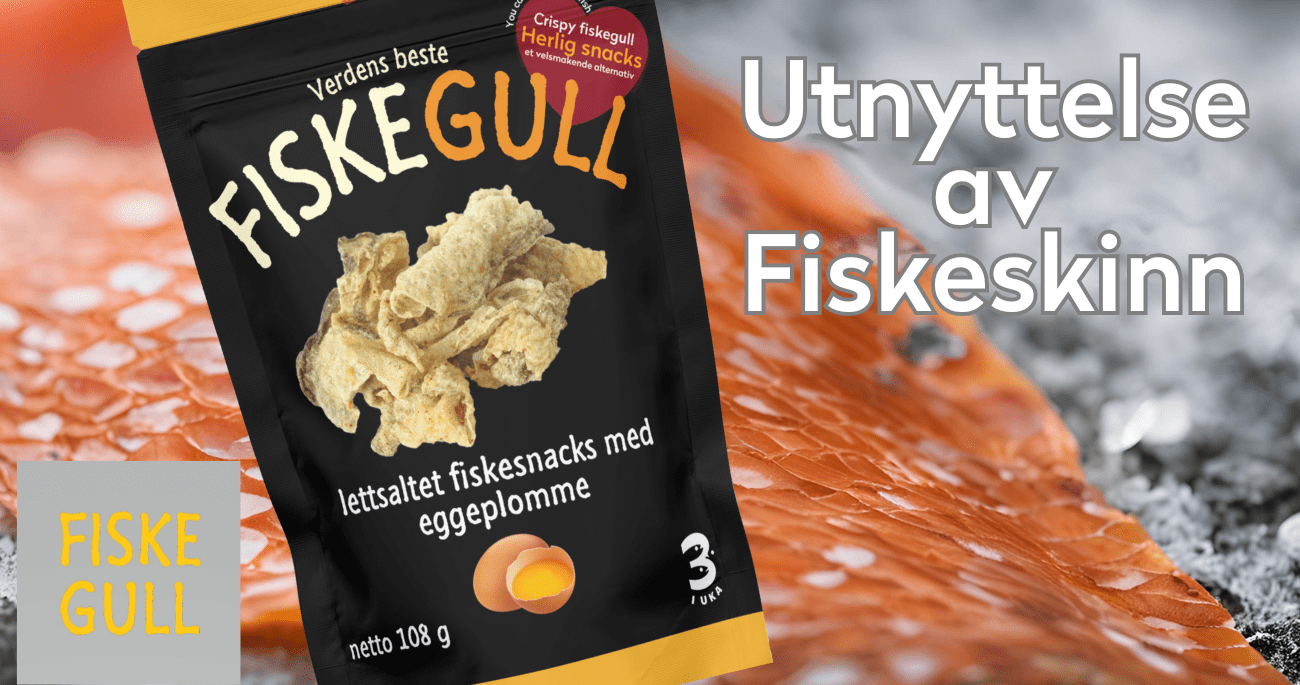
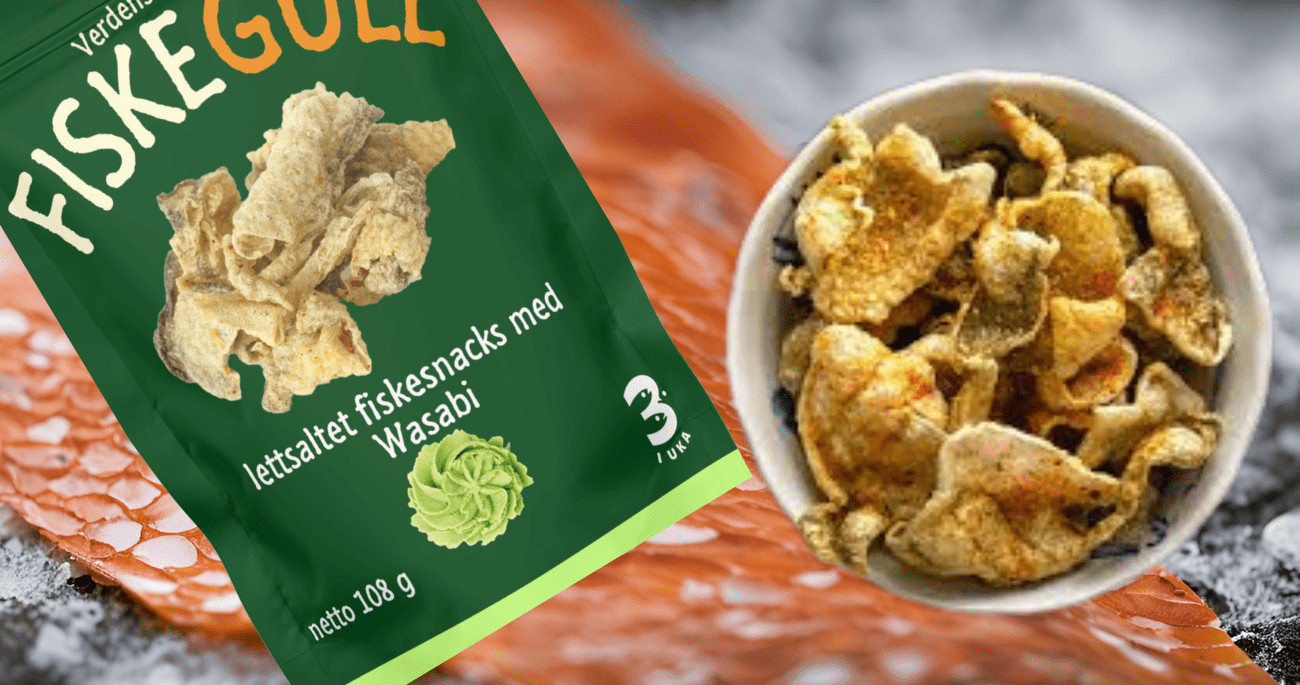
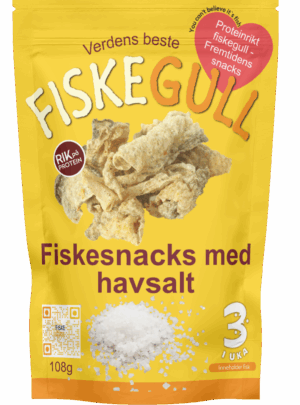
Fiskegull, a new player in the Norwegian snack industry, is now considering the possibilities of developing snacks made from fish skin. The company focuses on quality and sustainability and snacks made from fish skin. Fiskegull sees the potential for reduced food waste and sustainability in food production and wants to develop healthy snacks with good taste, available to everyone, together with research groups.
Fish Skin as a Dietary Supplement
Fish skin snacks with high collagen content can be considered a dietary supplement. Collagen has been shown to have positive effects on skin, joints and general health. This makes fish skin snacks an interesting ingredient in the dietary supplement market, especially for those looking for natural sources of collagen.
Omega-3 Fatty Acids and Fish Skin
Fish skin is a good source of omega-3 fatty acids, which are known for their health benefits, including a reduced risk of heart disease and inflammation. Using fish skin to make snacks can therefore also contribute to increased intake of omega-3 fatty acids, which is positive for health.
Preparing Fish Skin Snacks
Fish skin snacks can be prepared in several ways. One method is to boil or deep-fry fish skin in omega-3 oil. This method can provide a healthy snack, depending on what other oil may need to be used and how it is processed. Omega-3 oil can be a healthy source of fat, but it is important to control the temperature and cooking time to avoid the breakdown of the fats.
Why Fish Oil is Healthier Than Dairy and Meat
Fish fat is generally healthier than fat from dairy products and meat for several reasons:
- Higher Content of Omega-3 Fatty Acids: Fish oil contains high levels of omega-3 fatty acids, which are known for their anti-inflammatory and heart-protective properties.
- Lower Content of Metta Fatty Acids: Fish oil contains less saturated fatty acids compared to fat from meat and dairy products, which may contribute to better heart health.
- Balanced Fat Profile: Fish oil provides a better balance between omega-3 and omega-6 fatty acids, which is important for overall health.
Conclusion
The utilization of fish skin represents a promising path to improve the sustainability of food production and reduce food waste. By utilizing fish skin, we can not only increase value creation, but also offer healthy and nutritious snacks to consumers. With a variety of flavorings, the possibility of dietary supplements, and benefits such as omega-3 fatty acids and collagen, fish skin is a resource with great potential. Fiskegulla will position itself to lead the development of innovative products based on fish skin, and contribute to a more sustainable future.




 Norsk bokmål
  Deutsch
 Suomi
Suomi
 English (UK)
 香港中文
香港中文