Omega-3 fatty acids are essential for the body as it cannot produce them itself and must therefore be obtained through the diet.
Nutritional Benefits of Salmon Skin
Salmon skin is a nutritious part of the fish that contains high levels of omega-3 fatty acids, especially to keep the fish warm in cold ocean temperatures. These fatty acids also provide several health benefits to humans, including protecting the heart and brain, as well as maintaining healthy skin and vision. Collagen protein makes up up to 30% of the dry weight of salmon skin and collagen is widely used in health foods.
Health benefits
- The heart: Omega-3 fatty acids may help reduce blood pressure and protect against heart disease.
- The brain: These fatty acids may protect against brain degeneration.
- Hud: Helps keep skin supple and healthy.
- Eyes: Protects against age-related macular degeneration.
Studies on the Benefits of Salmon Skin
- Diabetes: And study in Marine Drugs noted that salmon skin has strong antioxidant properties that may help treat type 2 diabetes and ulcers caused by the disease.
- Cancer prevention: A study published in BMC Cancer suggested that diets high in omega-3 fatty acids may help fight cancer cells.
Preparing Salmon Skin
When salmon is boiled, smoked or steamed, the skin can become soft and rubbery, but when grilled, baked or fried, the skin becomes crispy and flavorful.
Tips for Preparation
- Grilling: Protects the meat from burning.
- Roasting: Gives crispy and flavorful skin.
- Salmon bacon: Thin strips of salmon skin fried in oil.
Salmon Bacon Recipe
- Separate the skin from the fish and cut into 1-inch strips.
- Dry the strips with a paper towel.
- Heat cooking oil in a pan over medium-high heat.
- Add the strips to the pan and fry until crispy.
- Let the strips drain on a paper towel and add salt and spices to taste.
Is it healthy to eat farmed salmon?
Eating farmed salmon can be healthy, but it's also important to be aware of some of the challenges that can come with it. Let's review both the benefits and concerns associated with consuming farmed salmon compared to wild salmon.
Benefits of Eating Farmed Salmon
- Content Control: Farmed salmon is subject to strict regulations and controls. This means that the farming industry has good control over what the salmon is fed, and there are strict limits on how much environmental toxins the feed and the fish can contain.
- Nutritional content: Farmed salmon is a rich source of omega-3 fatty acids, protein, vitamin D, iodine and selenium. Although the omega-3 content of farmed salmon has decreased somewhat due to changes in feed composition, it is still sufficient to provide significant health benefits.
- Availability: Farmed salmon is more accessible and can help meet the global demand for healthy seafood without overfishing wild salmon stocks.
Concerns with Farmed Salmon
- Environmental toxins: Both farmed and wild salmon can contain pollutants. Although levels of pollutants in farmed salmon are closely monitored, undesirable substances such as POPs, PCBs, and methylmercury are still present. However, new feed formulations have helped to reduce these levels.
- Antibiotic: The use of antibiotics in farmed salmon has been a concern, but strict regulations have led to significantly reduced use in many farms.
- Feed and Sustainability: Farmed salmon are fed a mixture of marine and vegetable ingredients. The balance between providing the salmon with enough omega-3 while ensuring sustainable feed production is an ongoing challenge.
Wild salmon vs. Farmed salmon
- Wild salmon: Can have varying levels of pollutants depending on where it is caught. There is less control over what wild salmon eats and what pollutants it is exposed to.
- Farmed salmon: Has more consistent quality control and monitoring, but may still contain some pollutants and other undesirable substances.
Science-Based Recommendations
- Controls and Monitoring: The Institute of Marine Research and the Norwegian Scientific Committee for Food and the Environment (VKM) monitor the content of nutrients and undesirable substances in Norwegian seafood, including farmed salmon. This ensures that the fish that reaches consumers remains within safe limits.
- Health benefits: Regular consumption of fatty fish such as farmed salmon is recommended to ensure adequate intake of omega-3 fatty acids, vitamin D, and other essential nutrients. The benefits of including fatty fish in the diet outweigh the risks associated with environmental toxins.
Conclusion
Farmed salmon is generally safe to eat and provides many health benefits, including high levels of omega-3 fatty acids, protein, and other important nutrients. Strict regulations and monitoring ensure that levels of contaminants are kept low. While there are concerns about contaminants and antibiotic use, monitoring programs show that farmed salmon often has lower levels of contaminants than wild salmon.
It is important to eat a varied diet and include different sources of omega-3 to balance the benefits and risks. Choosing farmed salmon from reliable sources and following up-to-date dietary advice can contribute to a healthy and balanced diet.
Potential Risks
- Contamination: Salmon from dirty water may contain harmful chemicals.
- Interaction with Medications: Omega-3 fatty acids can interact with blood-thinning medications such as Maravan.
Conclusion
Including salmon skin in your diet can provide many health benefits due to its high content of omega-3 fatty acids and protein. By preparing salmon skin properly, you can enjoy both its delicious flavor and nutritional benefits. Be sure to choose salmon from clean, reliable sources to avoid potential health hazards.
Salmon skin is rich in protein, vitamins B and D, minerals like niacin and phosphorus, and most importantly, it contains the highest amount of omega-3 fatty acids. All of these ingredients stimulate the brain, support the heart, and protect the nervous system.
Knowing that the salmon we eat is ethically, cleanly, traceably and sustainably harvested, we should try to use as many parts of the fish as possible. Cooked properly, salmon skin is a delicious nutritional bomb with a wonderful texture. And there are so many different ways to prepare it!
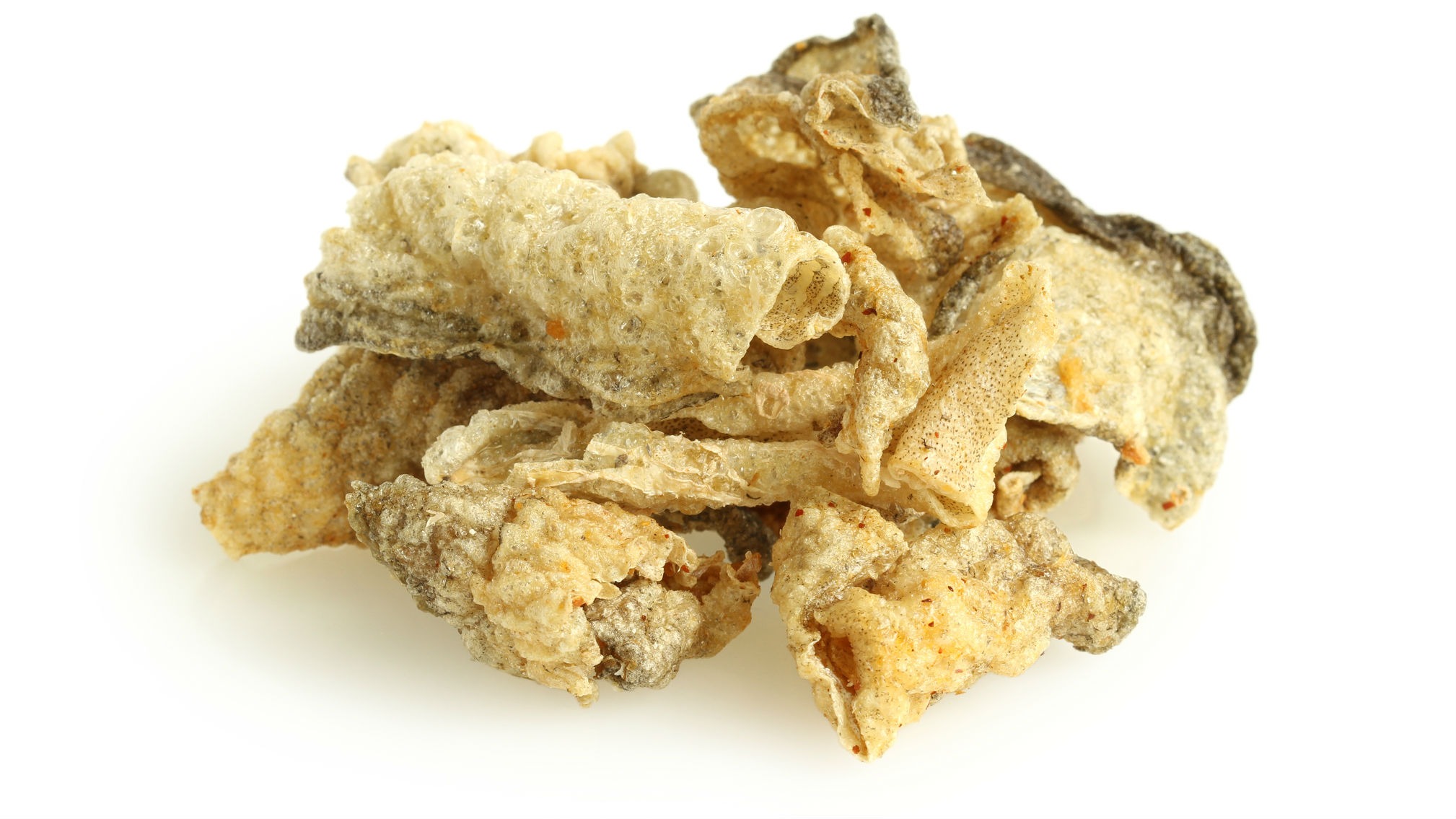
Recipe for Salmon Skin Chips
- Cut the skin into small strips (2 x 3 inches).
- Season the strips with the desired spice mixture.
- Dry the skin strips for extra crispiness.
- Massage both sides of the skin lightly with a little olive oil or avocado oil.
- Place the leather with the shiny side up on a tray lined with baking paper.
- Bake for 10 minutes at 375 degrees F.
- Serve the salmon skin chips plain, with dip, as salad toppers, or as a garnish.
Salmon skin chips could become your family's new favorite snack!
If you want a snack product made from fish skin, you can see products from Fiskegull.






 Norsk bokmål
  Deutsch
 Suomi
Suomi
 English (UK)
 香港中文
香港中文