Bacon of the Sea: The Future of Sustainable Snacks from Fish Gold
In an era where sustainability and healthy food choices are in focus, Norway has a unique opportunity to lead the way in the development of new, innovative products from the sea. Among these is Fiskegul – salmon skins that are prepared into crispy, tasty snacks. This product, also known as “sea bacon”, is not only a delicacy, but also a healthier and more environmentally friendly alternative to traditional snacks such as potato chips and bacon snacks.
In this report, we take a dive into why bacon of the sea is on its way to becoming one of the most exciting trends in food and snacks, and why Norway, as a maritime nation, should be at the forefront of developing new uses for products from the sea.
What is “Sea Bacon”?
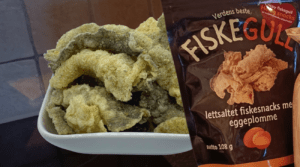
Bacon of the sea is a nickname for salmon skin that is cooked into a crispy and tasty snack. The name comes from its similarity to traditional bacon – both in taste and texture. When fried or baked correctly, salmon skin takes on a golden, crunchy surface and a rich, umami flavor reminiscent of bacon.
This product is not only a taste experience, but also a sustainable solution to reduce food waste. Salmon skin is a by-product from the fishing industry that is often thrown away, but is now gaining new value as a delicacy.
Why are fish snacks a better alternative?
Nutritional Benefits
Fish snacks like Fiskegull are rich in omega-3 fatty acids, protein and vitamins such as vitamin D and B vitamins. These nutrients are essential for heart health, brain function and immune function. Compared to traditional bacon, salmon skin has less saturated fat, making it a healthier alternative.
Unlike potato snacks, which are often filled with empty calories and fat, Fiskegull offers a nutritious snack that is both filling and energizing.
Sustainability and Environmental friendliness
Salmon skin is a sustainable choice because it utilizes a resource that could otherwise be thrown away. By using bacon of the sea as snacks, we reduce food waste and contribute to a more circular economy.
Compared to traditional bacon, which has a high carbon footprint due to pig farming, fish snacks have a lower environmental impact – especially if the fish comes from sustainable fishing or farming.
Taste and Versatility
Fish gold has a unique flavor that combines the richness of seafood with the crispy texture of bacon. This combination makes it a perfect topping for salads, rice dishes, soups or as a snack on its own.
Norway as a Port Nation: Why Should We Be a Leader?
Norway has one of the world's longest coastlines and a rich heritage of fishing and aquaculture. We already have the expertise and infrastructure to exploit the ocean's resources in a sustainable way. By developing new products such as fish snacks, Norway can create added value and increase revenues from the seafood industry.
Innovation and New Markets
By investing in innovation, Norway can stand out as a global leader in ocean-based products. Bacon of the sea is an example of how we can create new markets and appeal to consumers looking for healthy and sustainable alternatives.
Food Supply and Security
With a growing global population and climate change, it is important to exploit alternative food sources. The ocean offers vast resources that can help secure food supplies in the future. Bacon of the sea is a perfect example of how we can utilize the resources from the ocean in a smarter way.
Sea Bacon vs. Traditional Snacks
Nutritional Superiority
While potato snacks and bacon snacks are often filled with empty calories, saturated fat and salt, bacon of the sea a nutritious snack that is rich in protein and omega-3 fatty acids.
Less Saturated Fat and Salt
Bacon snacks contain a lot of saturated fat and salt, which can increase the risk of cardiovascular disease. Bacon of the sea has less saturated fat and can be prepared with less salt, making it a healthier option.
Sustainability
Potato snacks and bacon snacks often have a high climate footprint due to agricultural production and processing. Bacon of the sea is a sustainable alternative that reduces food waste and utilizes resources from the ocean.
Conclusion: The Future of Snacks Lies in the Ocean
Bacon of the sea is more than just a tasty snack – it is a symbol of innovation, sustainability and healthy food choices. As a maritime nation with rich resources and expertise, Norway should be at the forefront of developing new products from the sea.
By prioritizing bacon of the sea we can not only strengthen our own economy, but also contribute to a more sustainable future for food production. So next time you're looking for a snack, why not try bacon of the sea?It's not only good for you, but also for the planet.
Bacon of the sea is the future – and it tastes amazing!
How to Cook Sea Bacon?
To get the perfect bacon of the sea, it is important to follow a few simple steps:
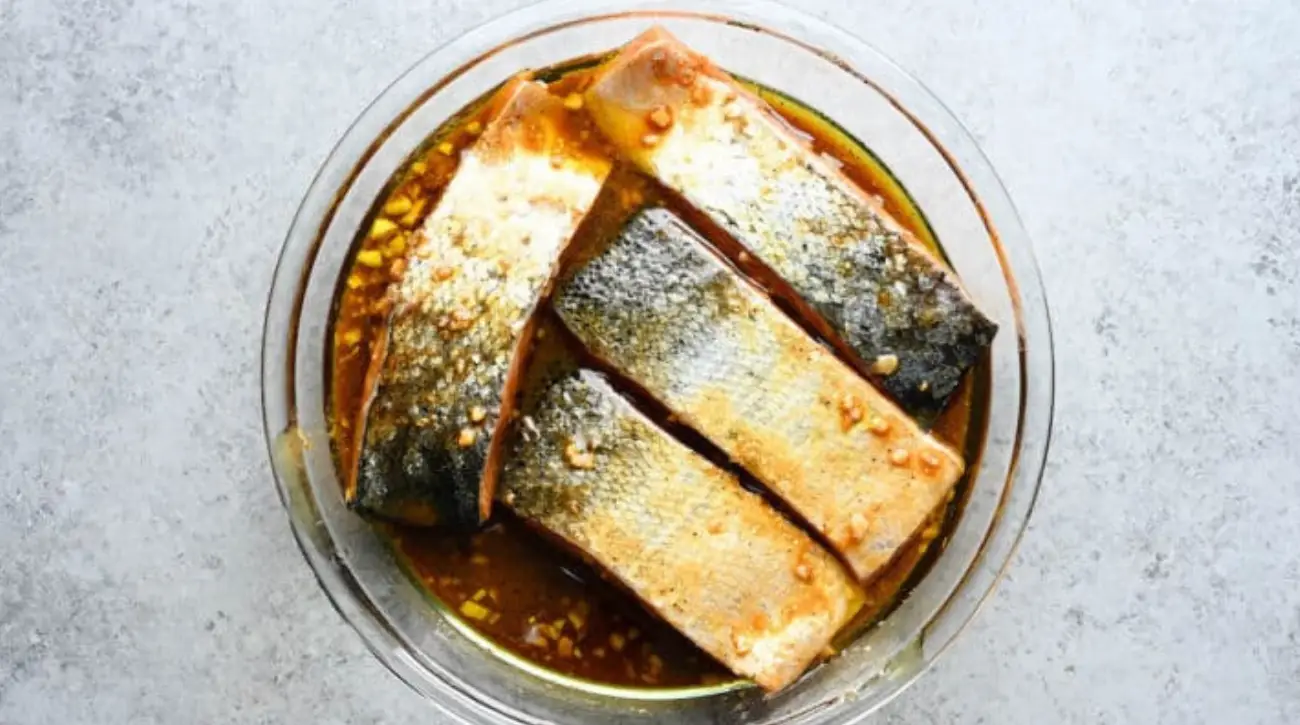
Clean the leather: Remove any scales and dry the skin well with a paper towel.
Spice: Sprinkle with salt, pepper or other spices to taste.
Roast or bake: Place the skin side down on a hot frying pan or bake it in the oven at 200°C until golden and crispy.
Server: Use it as a topping on salads, rice dishes or as a snack on its own.
Why Should You Choose Sea Bacon?
Healthier alternative: Less saturated fat and rich in omega-3 fatty acids.
Sustainable: Reduces food waste and utilizes resources from the ocean.
Tasteful: A unique combination of umami and crispy texture.
Bacon of the sea is not just a trend – it is a revolution in food and snacks. By choosing bacon of the sea, you are not only choosing something good for yourself, but also for the environment. So what are you waiting for? Try bacon of the sea today and experience the future of snacks!
Please read:
Why Salmon Skin Is Being Called The Bacon Of The Sea
Can You Eat Fish Skin, and Is It Healthy?


 Norsk bokmål
  Deutsch
 Suomi
Suomi
 English (UK)
 香港中文
香港中文